Israel’s prime minister has just thrown a match onto what many feared would remain a smoldering conflict. Benjamin Netanyahu’s Netanyahu Hezbollah warning—a declaration that his military will ramp up strikes against Hezbollah—marks a decisive shift away from a fragile ceasefire that was already fraying at the edges. For Lebanese civilians caught in the middle, this isn’t just another headline—it’s a signal that their homes, already battered by months of bombing, may not be safe for much longer.
Netanyahu Hezbollah Warning: From Ceasefire to Escalation
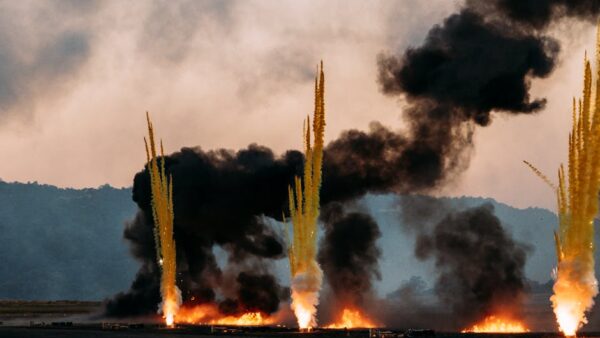
Back in April, when Israel and Lebanon agreed to a 45-day pause in fighting, there was a glimmer of hope that communities on both sides of the border could begin to rebuild. Israeli troops remained in southern Lebanon, and sporadic skirmishes still broke out, but the violence was largely contained. Now Netanyahu has said those days are over. He claims Hezbollah has been dealt a “crushing blow”—with over 600 fighters eliminated—but insists more force is needed. The Israeli military has already begun hitting targets in Lebanon’s eastern Bekaa Valley, a region that had mostly been spared until now.
What This Means for Lebanon’s Fragile State
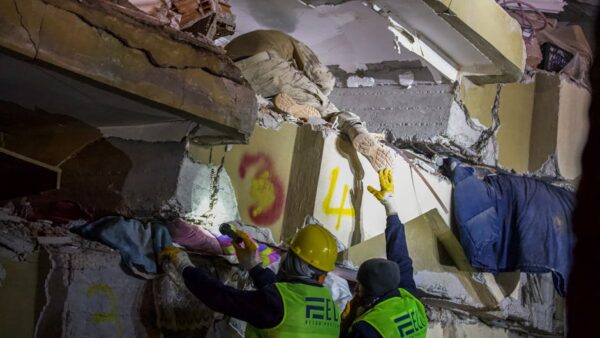
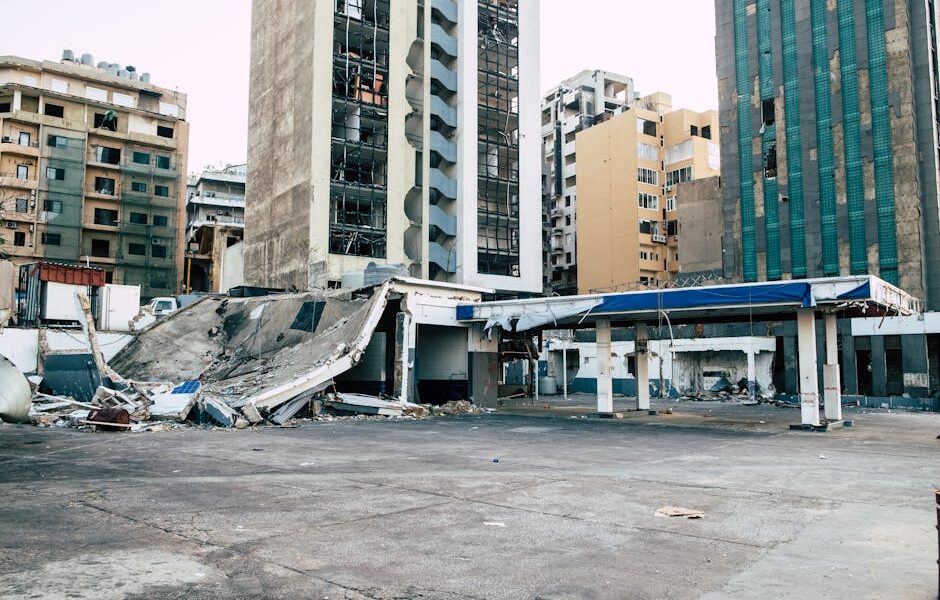
The Bekaa Valley isn’t just another patch of land. It sits along Lebanon’s border with Syria and has long been a logistical corridor for smuggling weapons and fighters. By striking there, Israel is signaling that no part of Lebanon is off-limits. That’s a terrifying prospect for Beirut, which has so far avoided the kind of systematic bombing seen in southern towns. If the capital becomes a target, the humanitarian toll—already staggering—could spiral beyond control. More than a million people have been displaced since February, and hundreds of civilians, including paramedics, have been killed. The Lebanese government is scrambling to disarm Hezbollah, but officials say they need a ceasefire to even attempt that complex task. Netanyahu’s new campaign could unravel those plans entirely.
The Regional Chessboard
What makes this moment especially volatile is the timing. Iran, which backs Hezbollah, is reportedly pushing for a broader peace deal with the U.S. that would require a complete halt to all fighting. That’s not something Israel wants right now. In fact, Israel’s government has been vocal in opposing any deal that might let Hezbollah regroup. With ten Israeli soldiers killed since the ceasefire was signed, the military faces domestic pressure to show results. But here’s the original insight that’s often overlooked: Netanyahu’s escalation may also be a calculated effort to distract from internal political turmoil at home. His government has been plagued by protests, corruption investigations, and a deeply divided public. Rambling up the war machine can be a powerful way to shift the national conversation—even if it risks dragging the entire region into a broader conflagration.
The Human Cost
It’s easy to get lost in the strategic calculations, but here’s what really matters: real people are dying. Over 3,000 Lebanese have been killed in Israeli attacks since the war began, according to the Ministry of Health. Every day, families receive evacuation orders and flee with whatever they can carry. Meanwhile, Hezbollah continues to fire rockets into Israel, triggering sirens and sending civilians into shelters. The cycle of retaliation has become a self-fulfilling prophecy—each strike justifying the next. And with Iran, the U.S., and Syria all watching closely, one miscalculation could turn a regional crisis into an international one. For more on the broader risks, see our analysis of global tensions and World War III risks.
What Comes Next?
Right now, the most immediate question is whether the strikes will expand to Beirut and other major cities. If they do, Lebanon’s government may collapse under the weight of the humanitarian crisis. Diplomatic efforts are ongoing, but Netanyahu has made it clear he isn’t interested in a pause. For ordinary people in both countries, that means more days of anxiety, more funerals, and more uncertainty. The ceasefire was never perfect, but it was a thread holding back chaos. Now that thread is fraying fast. For authoritative context on the region, see the International Crisis Group’s analysis.