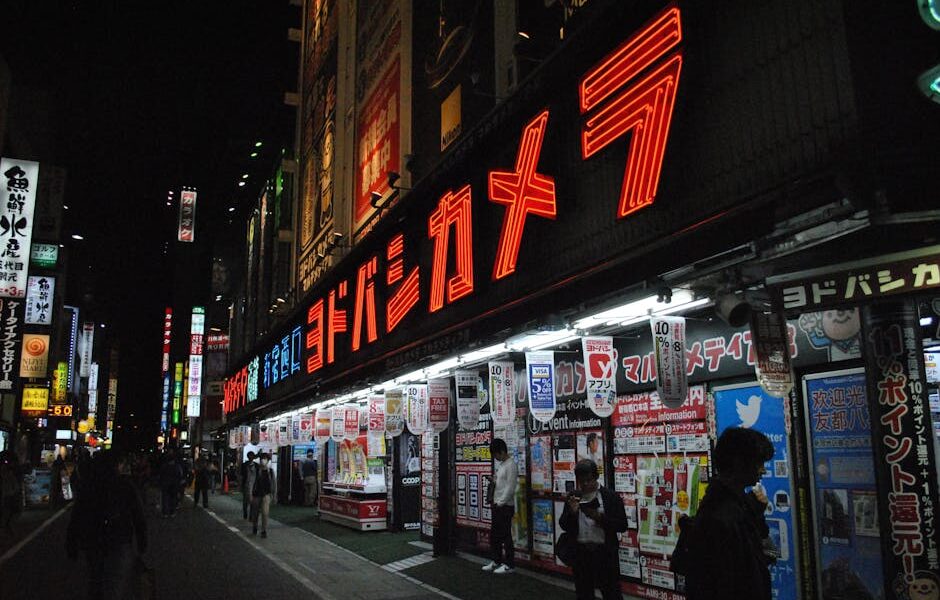
In a startling event that disrupted a busy Tokyo evening, more than 20 people were rushed to local hospitals after an unknown substance was sprayed in a public area. The Tokyo spray incident, which occurred on a bustling street, has sparked a wave of concern among residents and officials alike, as authorities scramble to identify the chemical and the individual(s) responsible. While no casualties have been reported, the event underscores the vulnerability of urban spaces to sudden, unpredictable threats.
The Tokyo Spray Incident Unfolds
Witnesses describe a chaotic scene as a person or group allegedly dispersed a mysterious mist into a crowd during peak commuting hours. Victims reported immediate symptoms including coughing, burning sensations in the eyes and throat, and difficulty breathing. Emergency services responded swiftly, cordoning off the area and triaging the affected individuals. Local hospitals have since been placed on alert, though officials have not disclosed the exact nature of the substance pending lab analysis.
Authorities have launched a manhunt for the perpetrator, reviewing security footage and interviewing bystanders. The motive remains unclear, with early speculation ranging from a targeted assault to a misguided prank. However, the lack of a credible claim or apparent pattern has left investigators with limited leads.
Broader Implications for Urban Centers
This Tokyo spray incident is not an isolated anomaly. Over the past decade, major cities from London to New York have seen similar attacks involving mace, pepper spray, or unknown chemicals in crowded venues. The Tokyo spray incident serves as a grim reminder that even the most orderly societies are not immune to acts of public disruption. Dr. Yuki Tanaka, a criminologist at the University of Tokyo, notes, “Such attacks exploit the trust people place in public spaces. They are hard to prevent because they require minimal planning and resources.”
What sets this case apart is the mystery factor. Without knowing the substance, medical teams face challenges in administering the correct antidote. Victims may suffer lingering effects, and panic can spread faster than facts. This uncertainty amplifies the psychological toll, as commuters now question the safety of their daily routines.
Original Insight: The Communication Gap
In the age of social media, information vacuums are quickly filled with rumors. Within minutes of the Tokyo spray incident, unverified posts claimed the substance was a chemical weapon or a hallucinogen. This rush to speculation can hinder official efforts: authorities must now allocate resources to debunk misinformation while investigating. The Tokyo Police’s delayed statement—issued over two hours after the event—left a void that alternative narratives eagerly occupied. A more proactive communication strategy, perhaps using official X (formerly Twitter) channels with real-time updates, could have mitigated public fear. Other nations, like Japan’s own disaster response framework for earthquakes, offer a model: rapid, authoritative, and repeated messaging that drowns out noise. This incident should prompt a review of how cities handle low-probability, high-anxiety events where the unknown is the biggest adversary.
Lessons for the Future
As Tokyo returns to normal, the Tokyo spray incident offers several takeaways:
- Enhanced surveillance: While Tokyo already has extensive CCTV coverage, this attack suggests the need for real-time chemical sensors in high-traffic zones.
- Public preparedness: Simple guidance—such as covering one’s mouth and nose, moving upwind, and not touching the substance—could reduce harm.
- Cross-border learning: Cities should share data on such incidents, as patterns may emerge over time that help preempt future attacks.
The identity of the substance may eventually be revealed, but the deeper issue remains: how do we balance openness with security in dense urban environments? For now, Tokyo’s resilience is being tested—not by a confirmed threat, but by the lingering fog of the unknown. For more on urban safety challenges, see our analysis of infrastructure safety in South Korea. Additionally, learn from how heatwaves are rewriting extreme weather rules. For authoritative guidance on chemical incidents, visit the CDC Chemical Emergencies page and the WHO Chemical Safety page.