The Unseen Toll of Rising Temperatures
As Delhi swelters under extreme heat with temperatures crossing 45°C, the city’s extreme heat Delhi informal workers—rickshaw pullers, street vendors, and domestic helpers—are trapped in a brutal cycle. For them, survival comes before safety, and every scorching day is a battle between earning a living and protecting their health.
Extreme Heat Delhi Informal Workers: A Tale of Two Cities
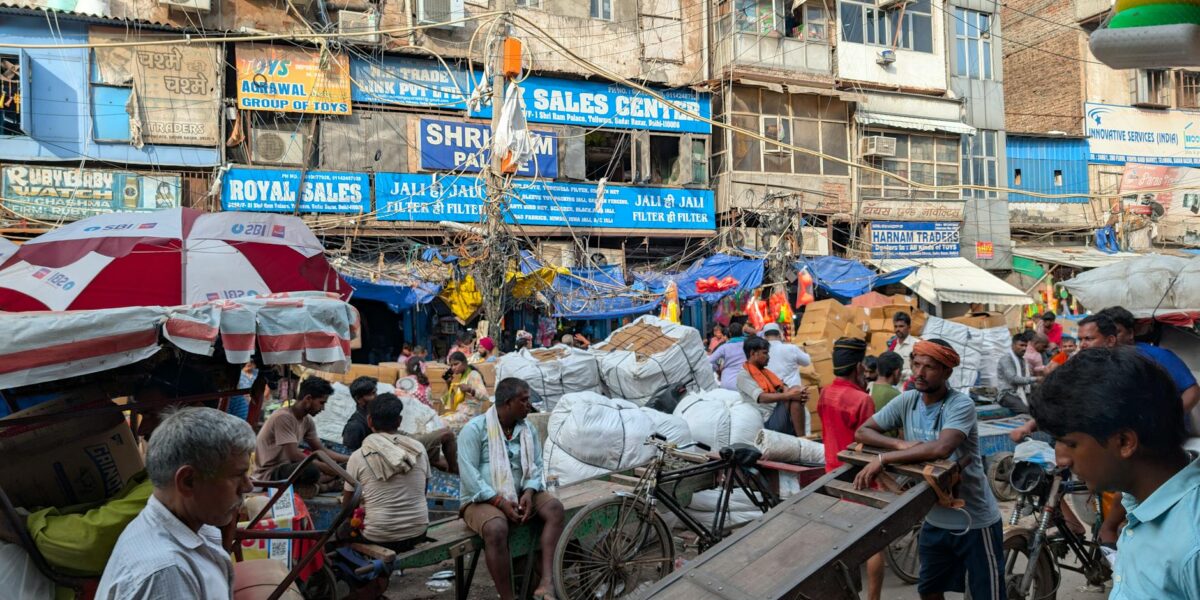
In Delhi’s bustling markets, air-conditioned showrooms offer a cool escape for the affluent, while outside, the urban heat island effect magnifies the sun’s fury. Concrete, traffic, and limited green spaces make the city several degrees hotter than surrounding rural areas, according to climate experts. For workers like cycle-rickshaw driver Harish Chandra, 52, there is no respite. “If we stop, we don’t earn. And if we don’t earn, the family doesn’t eat,” he says, speaking from a sliver of shade near a public tap.
Economic Impact of Heatwaves
The financial toll is staggering. A 2024 Lancet Countdown report found that India lost about 247 billion potential labor hours to extreme heat, resulting in economic losses of $194 billion. The International Labour Organization projects heat stress could slash India’s total working hours by 5.8% by 2030. For daily wage workers, missing even one day of work—like tuk-tuk driver Mohammad Umar, 50, who earned 500-700 rupees ($5-$7) a day—can drain precious savings. “My heart was racing, and my body had no strength left,” Umar recalls after a heat-induced collapse. Learn about other crises affecting vulnerable populations.
Health Risks Ignored
Doctors warn that prolonged exposure to extreme heat can lead to dehydration, kidney stress, and heatstroke. Dr. Satish Koul of Fortis Hospital Gurgaon notes that early warning signs like dizziness and confusion are often ignored. “If someone stops sweating or becomes disoriented, it can quickly become a medical emergency,” he says. Yet, for workers who must toil outdoors, these risks are accepted as part of daily life. WHO provides guidelines on heat and health.
Living Conditions That Trap Heat
After work, the struggle continues. Many migrant workers live in cramped, tin-and-plastic settlements with unreliable electricity and no air conditioning. These homes absorb heat all day and release it slowly at night, preventing the body from recovering. “When the body doesn’t cool down during sleep, exhaustion builds day after day,” Dr. Koul explains. Women like Sanjeeda, a 40-year-old widow, clean rooftops where “marble floors feel like they are on fire.” She was recently bedridden for days with severe headaches after heat exposure.
Adaptation vs. Survival
While the Delhi government issues heat advisories—color-coded alerts, water kiosks, and cooling centers—these measures often remain out of reach for mobile workers. Some try to adapt by covering their heads, drinking salted water, or adjusting work hours, but these are stopgap solutions. As climate change makes heatwaves longer and more intense, experts like former WHO chief scientist Dr. Soumya Swaminathan warn that temperatures are approaching the limits of “human tolerability.” ILO offers resources on heat stress at work.
What Can Be Done?
Addressing this crisis requires systemic change: better urban planning to combat the urban heat island effect, affordable cooling solutions for low-income housing, and social protections for informal workers. Until then, the stark reality remains—for Delhi’s poor, every summer is a fight for survival, not just comfort. Read about other global crises.