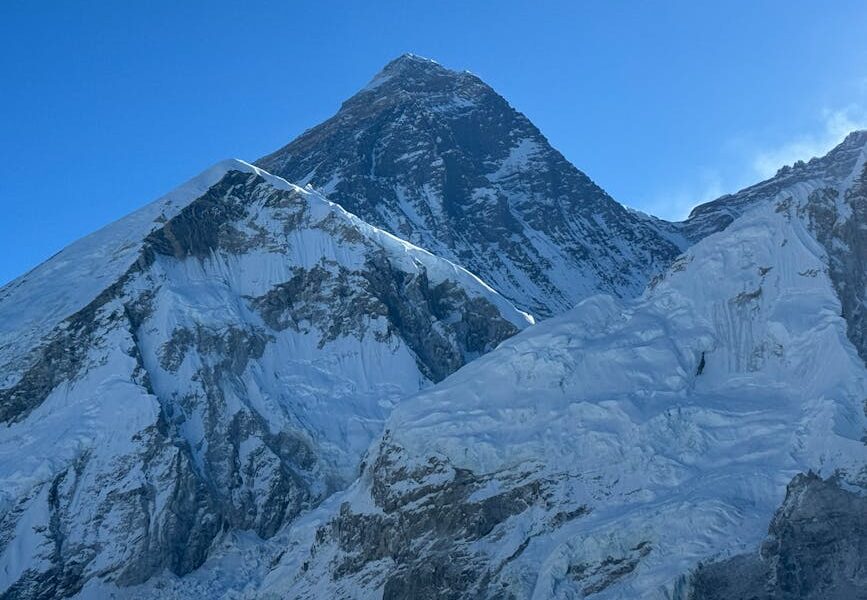
When most people think of climbing Mount Everest, they picture a once-in-a-lifetime struggle—a grueling battle against altitude, weather, and personal limits. For Kami Rita Sherpa, it’s just another Tuesday. The legendary Nepali mountaineer, now in his 50s, recently topped out on the world’s highest peak for the 32nd time, breaking his own previous record. But while the headlines focus on the number, the real story lies beneath the ice: what this record means for the Sherpa community, the commercial guiding industry, and the changing face of the mountain itself.
A Different Kind of Record
Kami Rita first stood on the summit of Everest in 1994, back when a successful ascent was still a rare achievement. Back then, fewer than 600 people had ever climbed the mountain. Today, that number is well over 10,000, and the climbing season has become a logistical circus of permits, fixed ropes, and bottled oxygen. Kami Rita’s 32nd ascent isn’t just a testament to his endurance—it’s a measure of how the entire system has professionalized. He works as a senior guide for a major expedition company, and his climbs are less about personal glory and more about getting paying clients safely up and down.
That shift raises a question the original coverage doesn’t touch: What does it mean to “climb” Everest when the route is so well-trodden that a guide can do it 32 times? Some purists argue the age of true exploration is over—that Everest has become a high-altitude assembly line. But Kami Rita’s career tells a more complicated story. He belongs to a generation of Sherpas who turned a dangerous seasonal job into a stable profession. For him, each climb is a paycheck, a source of pride, and a link to a family tradition. His father and brother were also renowned climbers.
The Price of Repetition
That repetition, however, comes with a physical and environmental cost. Kami Rita has spent the equivalent of more than six months of his life above 8,000 meters—a zone climbers call the “death zone” for good reason. The human body was never meant to function there. Extended exposure leads to cellular damage, cognitive impairment, and an increased risk of blood clots. Yet here he is, still climbing at an age when many professional athletes have long retired. His feat forces the mountaineering world to confront an uncomfortable truth: the same bodies that make these summits possible are being worn down in the process.
And then there’s the mountain itself. The Everest that Kami Rita climbed in 1994 is not the same Everest he climbs today. Glacial melt has altered the Khumbu Icefall, the most dangerous section of the route. Warmer temperatures have exposed rock where there used to be snow, making the climbing more technical and less predictable. Some scientists predict that by the end of the century, the lower sections of the Everest climbing routes could be ice-free for parts of the season. Kami Rita’s record, then, might also be a marker of how quickly the Himalayan environment is changing.
What the Record Really Means
Dismissing Kami Rita as a mere record-chaser misses the point. He has helped hundreds of people achieve their own dreams on the roof of the world. In doing so, he has also become an accidental ambassador for a mountain that desperately needs one. As the number of climbers skyrockets—Nepal issued a record 478 permits in 2023—the pressure on Everest intensifies. There are more body bags, more trash, and more traffic jams. Yet figures like Kami Rita remind us that climbing remains a deeply human endeavor, one driven by skill, partnership, and a respect for forces larger than ourselves.
The real insight here isn’t the number 32. It’s that Kami Rita represents a bridge between two eras: the old Everest of daring adventurers and the new Everest of commercial expeditions and climate anxiety. If we listen to what his career tells us, we might hear a warning about the limits of human ambition—and the mountain’s own diminishing patience.