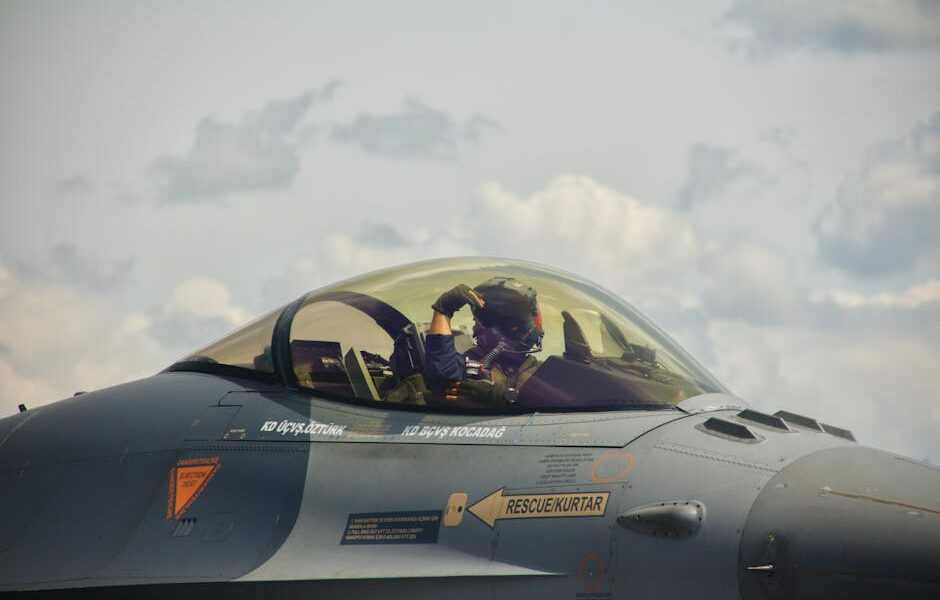
Earlier this week, a routine flight carrying UK Defence Secretary John Healey back from Estonia turned into a high-stakes navigation puzzle, highlighting the growing threat of GPS jamming Baltic region. Somewhere over the Baltic Sea, the RAF jet’s GPS signal suddenly went dark, forcing pilots to rely on backup systems for the remainder of the three-hour journey. While no one was injured and the plane landed safely, the incident—widely attributed to Russian jamming—offers a stark glimpse into a new kind of aerial confrontation that is becoming disturbingly common in the skies above Europe.
The Silent Attack on Navigation: GPS Jamming Baltic
GPS jamming isn’t a flashy missile or a dogfight. It’s invisible. One moment, the satellite signal that guides modern aircraft is there; the next, it’s gone. For the crew aboard the Ministry of Defence jet, that meant switching to inertial navigation and radio-based backups—techniques that hark back to Cold War procedures. This wasn’t an isolated blip. According to reports, the disruption lasted the entire flight, suggesting a sustained and deliberate effort to interfere with the aircraft’s guidance systems. The GPS jamming Baltic incident underscores how vulnerable modern aviation has become to electronic attacks.
Why Jamming Matters More Than Ever
Jamming is a weapon of harassment and chaos. Unlike a missile strike, it doesn’t destroy hardware or cause casualties. But it erodes trust in technology, delays operations, and forces pilots into manual, error-prone modes. For a plane carrying a senior government official, the risk is multilayered: not just physical safety, but also operational security. If the flight path can be tracked online—as the Times reported it was—then jamming becomes a signal of intent, a way for Russia to say we know where you are without firing a shot. The GPS jamming Baltic event is a clear example of this grey-zone tactic.
A Pattern of Escalation
This event didn’t happen in a vacuum. Just the day before, news broke that two Russian Su-35 and Su-27 fighters had intercepted an RAF Rivet Joint spy plane over the Black Sea in a manner described by the MoD as the most dangerous Russian action since 2022. One Russian jet came within six metres of the RAF plane’s nose, triggering emergency systems and disabling autopilot. That incident, plus the 2024 jamming of a plane carrying former Defence Secretary Grant Shapps, paints a clear picture: Russia is systematically testing the limits of NATO’s air operations near its borders. The GPS jamming Baltic episode fits into this broader pattern of electronic warfare.
- Black Sea near-miss (2024): Russian fighters flew dangerously close to an RAF Rivet Joint, forcing evasive manoeuvres.
- 2022 missile incident: A “rogue” Russian pilot fired a missile at a Rivet Joint over the Black Sea.
- Repeated GPS jamming: Senior officials’ flights have been targeted at least twice in two years, including the GPS jamming Baltic case.
The View from Estonia
Healey had just visited British troops stationed in Estonia as part of a NATO exercise near the Russian border. Estonia, a former Soviet republic now a NATO member, has long been a flashpoint for electronic warfare. Last year, Estonian officials reported that a NATO jet had shot down a drone over its territory—a reminder that the digital and physical battlefields are intertwined. Troops on the ground often experience similar GPS disruptions in training, but jamming a defence secretary’s plane elevates the incident from nuisance to diplomatic provocation. The GPS jamming Baltic incident highlights how electronic warfare is becoming a frontline tool.
Original Insight: The New Normal of Grey-Zone Conflict
What strikes me as a journalist covering defence for years is how normalised these intercepts and jams have become. Each time, the official response is measured: the UK condemns “unacceptable” behaviour, praises the crew’s professionalism, and carries on. But there is a strategic cost to this routine. Russia is using these low-level tactics to map NATO’s electronic response times, test pilot stress thresholds, and send messages without triggering Article 5. For the public, the takeaway should be sobering: in a conflict where the first shot may never be fired, losing your signal is already a form of attack. The GPS jamming Baltic episode is a textbook example of this new normal.
What Happens Next?
The Ministry of Defence has been asked to comment, but so far there is no official statement beyond acknowledging the incident. Expect a formal diplomatic protest—likely delivered privately through NATO channels—and possibly enhanced electronic warfare countermeasures on VIP flights. But don’t expect a military reprisal. That’s the nature of grey-zone conflict: it thrives in the space between peace and war. For now, the pilots who flew Healey home will continue their duty, logging another day when the invisible war in the air came a little closer to home. For more on how electronic warfare is reshaping global security, see our analysis on hybrid warfare threats. Additionally, learn about global tensions and world war III risks that are stress-testing international systems. For external context, the NATO Electronic Warfare page provides authoritative information on these tactics, and the BBC report on GPS jamming offers further insights into the Baltic incidents.