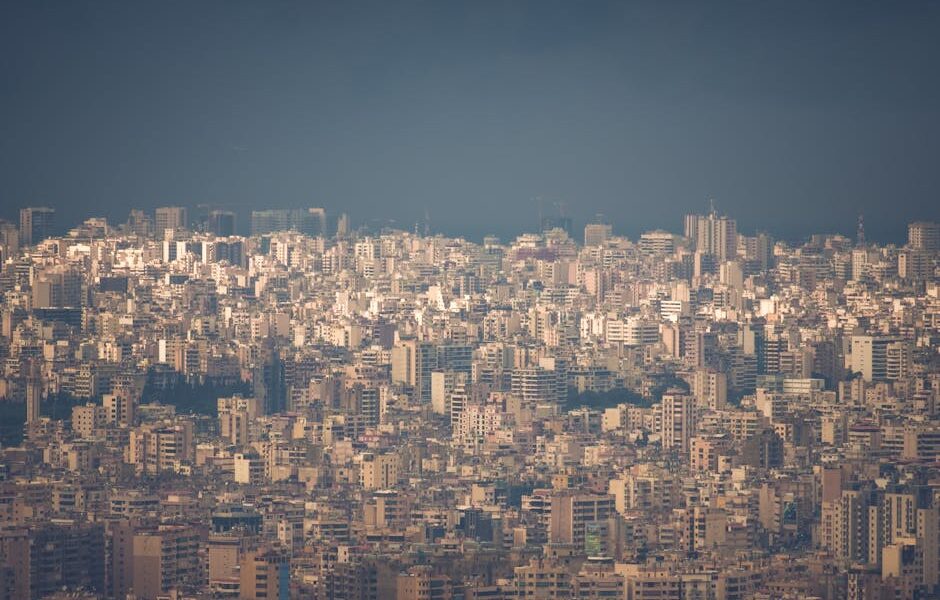
The rumble of an Israeli airstrike in the heart of Beirut on Thursday shattered more than windows in the Dahieh district — it cracked the already brittle Beirut airstrike ceasefire that has barely held for a month. For the second time since the truce was signed, the Israeli military launched what it called a ‘targeted strike’ on the Lebanese capital, sending a plume of black smoke over residential towers and reigniting fears that a full-scale war is far from over.
Residents in the densely packed Shia suburb scrambled through the chaos, calling out to neighbors and relatives as rescue workers pushed through the debris. The target, according to Israeli media, was Ali al-Husni, a commander in an Iranian-backed militia. But for the families living in the buildings nearby, the distinction between a militant and a civilian was lost in the dust and flames.
Beirut Airstrike Ceasefire: A Ceasefire on Paper, War in Practice
The November ceasefire was supposed to end the worst violence between Israel and Hezbollah in decades. Instead, it has become a blame game: each side accuses the other of violations, while the people of southern Lebanon pay the price. The IDF says it acted in response to Hezbollah drone attacks on Israeli troops and civilians. Lebanese officials point to the airstrikes themselves as breaches of the deal.
What is clear is that the truce is fraying fast. On Wednesday, the Israeli military issued its largest evacuation order since the ceasefire began, covering some 300 towns and villages — roughly 14 percent of Lebanese territory. The message was blunt: move north of the Zahrani River, or face ‘extreme force.’
Nowhere Left to Run
For displaced families already living in overcrowded shelters, that order was a cruel math problem. Hanaa Jamaa, 46, thought she had found safety in Saida, a coastal city north of the river. But in the middle of the night, a missile tore through the apartment she rented out for income, killing five people and wounding 21. ‘We aren’t with Hezbollah and we aren’t with Israel,’ she said, her voice breaking. ‘We just want peace.’
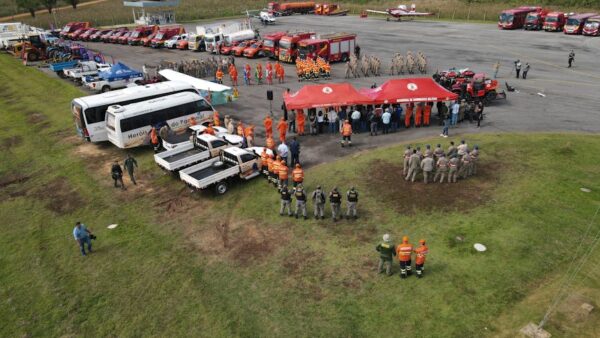
Her story is one of thousands. In Tyre, rescue crews were forced to halt operations because conditions were ‘too dangerous’ — and because the Israeli military was calling them directly, warning them to leave. Social media videos showed streets glowing orange from fireballs, a mushroom cloud rising over high-rise buildings as stunned residents watched debris rain down.
The Wider War Nobody Talks About
Here is what often gets lost in the day-to-day headlines: this is no longer a simple Israel-Hezbollah conflict. It is a proxy battlefield in a wider regional struggle between the United States and Iran. The same week the Beirut airstrike ceasefire was violated, diplomatic talks between Washington and Tehran were stumbling over the demand that any deal must also cover Lebanon. Israel insists it must retain the right to strike Hezbollah. Hezbollah says it will keep firing rockets in solidarity with Iran.
And the civilians? They are caught in the middle, their homes turned into military targets, their cities into negotiation chips. More than 3,280 people have been killed in Lebanon since March, according to the health ministry — a number that does not distinguish between fighter and bystander. On the Israeli side, 23 soldiers and four civilians have died.
A Future Built on Quicksand
The irony is that Thursday’s strike came at the request of the United States, which had asked Israel to spare Beirut in the past. The US is now both peace broker and tacit enabler of the very strikes that undermine the peace. It is a contradiction that leaves Lebanese families like Hanaa’s asking a simple, devastating question: if a Beirut airstrike ceasefire cannot protect us, what can?
As the smoke clears over Dahieh, the answer remains unwritten. But the pattern is familiar: escalation, retaliation, and a grinding tragedy that spares neither soldier nor child. Until the major powers decide that human lives matter more than strategic interests, the people of Lebanon will keep running north, hoping the next strike misses them — and knowing it probably won’t.
For more on regional tensions, read Strait of Hormuz Tensions Flare Again as US and Iran Test Fragile Ceasefire. Also see Gaza Ceasefire Crumbles as Israel Expands Territorial Control. For external context, visit BBC Middle East and Reuters Middle East.