If you live in Tenerife, you may have felt a familiar pang of dread when you heard the word “outbreak” tied to a ship in your waters. For many, the memory of COVID-19 is still raw, still unsettled. But the situation involving the MV Hondius and a rare Andes strain of hantavirus is a fundamentally different story — one that speaks less about a new global threat and more about a forgotten art: responsible solidarity.
The Virus, The Ship, The Fear
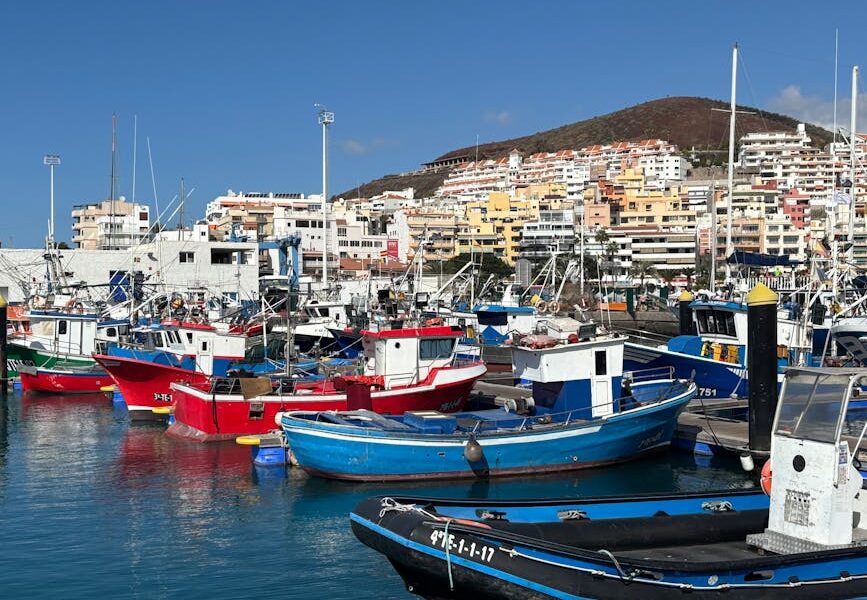
Three people have died. That is a tragedy, no matter how low the risk to the general public remains. The ship carries nearly 150 passengers from 23 nations, some grieving, all anxious. The virus is serious, but the World Health Organization (WHO) has been clear: the threat to everyday life in Tenerife is low. The passengers will not wander your streets. Under the carefully coordinated plan by Spanish authorities, they will be ferried to the industrial port of Granadilla — far from homes and tourist areas — in sealed vehicles and along a guarded corridor, before being repatriated directly to their home countries.
Why Tenerife? Why Now?
The choice of Tenerife is not arbitrary. It follows the International Health Regulations, a legally binding set of rules that obligates countries with the nearest adequate medical capacity to act. In this case, Tenerife has the hospitals, infrastructure, and logistical expertise to handle the situation. Spain stepped up, and WHO Director-General Dr Tedros Adhanom Ghebreyesus has personally thanked Prime Minister Pedro Sánchez for what he called “an act of solidarity and moral duty.”
Beyond the Science: The Humanity on Board
What often gets lost in the technical briefings is the human reality: people have been at sea for weeks, trapped on a vessel with a dangerous virus, watching fellow passengers fall ill and die. The ship’s captain, Jan Dobrogowski, and the crew have worked tirelessly under extraordinary pressure. According to the WHO, an expert is already on board, medical supplies are in place, and the operation is being executed with surgical precision.
This is not just about containment — it is about dignity. The passengers are not threats; they are people who need a safe harbor. And Tenerife has offered that harbor.
An Unprecedented Gesture: The WHO Director-General Will Visit
In a move that underscores the gravity of the moment, Tedros himself has announced he will travel to Tenerife to observe the operation firsthand. “Your humanity deserves to be witnessed, not just acknowledged from a distance,” he wrote in a direct appeal to the island’s residents. This is unusual. It signals that the WHO sees Tenerife’s response as a template for how compassion and science can work together — even when fear is the loudest voice in the room.
The Bigger Picture: A Test of Global Health Solidarity
While the immediate health risk is low, the symbolic stakes are high. Ever since COVID-19, the phrase “public health emergency” has become a loaded weapon — used by some to justify closing borders and turning away the vulnerable. That is precisely what the International Health Regulations were designed to prevent. They were written so that countries would not respond to fear by abandoning each other. Tenerife is proving they still work.
But here’s the uncomfortable truth: this system only holds if people trust it. And trust is fragile. Many residents of Tenerife lived through the chaos of 2020, when information changed daily and official reassurances sometimes fell short. No one should dismiss that trauma. At the same time, this is not a replay. The virus is different, the response is more targeted, and the transparency — right down to the WHO chief writing a personal letter — is leagues ahead.
What You Can Do
For now, the best course is simple: trust the process. The passengers are not entering public spaces. The authorities have planned every step. And if you feel uneasy, that’s okay — anxiety is not a sign of weakness, it’s a sign that you care. But caring also means recognizing that the people on that ship are someone’s mother, father, or child. They need what Tenerife can give them: a safe landing, medical attention, and a chance to go home.
As Tedros himself put it, “Viruses do not care about politics, and they do not respect borders. The best immunity any of us has is solidarity.”
That solidarity is not just a word on a WHO letterhead. It’s happening now, at a port in Granadilla, by workers wearing protective gear and by a community that chose humanity over fear.