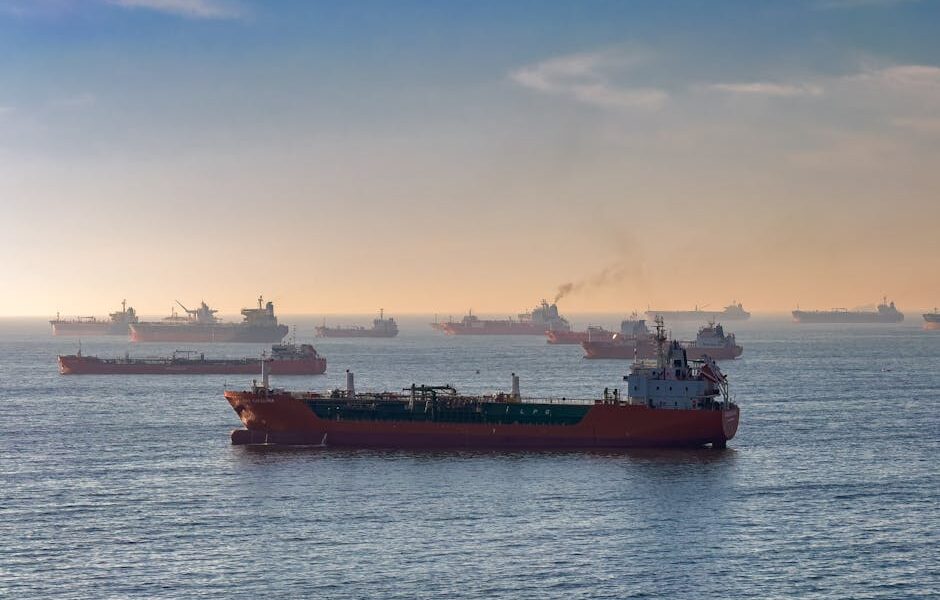
The Strait of Hormuz crisis is the real sticking point in the high-stakes diplomacy between Tehran and Washington. Forget the nuclear centrifuges for a moment. As Pakistan’s top military chief landed in Tehran on Friday to nudge peace talks along, the rhetoric from both sides suggests we are witnessing a fundamental shift in how power is negotiated in the Middle East—one that has less to do with enriching uranium and more to do with controlling the world’s most vital oil chokepoint.
The Strait of Hormuz is no longer just a strategic waterway; it has become a bargaining chip, a weapon, and a symbol of defiance rolled into one. And right now, it’s the biggest obstacle standing between a fragile peace and a wider regional inferno.
What’s the Hold Up in the Strait of Hormuz Crisis?
Iranian officials have made it clear that they are in no rush to sign a deal just because mediators are showing up in Tehran with good intentions. According to the Iranian Foreign Ministry, the gaps between what the U.S. wants and what Iran is willing to give remain “deep and significant.”
But here’s where the framing gets interesting. For months, everyone assumed the stalemate was about Iran’s enriched uranium stockpile. While that is still on the table, Tehran has now reframed its priorities. An Iranian official told reporters that ending the war, lifting the blockade, and stabilising the Strait of Hormuz are the regime’s main objectives right now. Sanctions relief? That has been quietly downgraded to “not a detail for us.”
Read that again: Iran is essentially saying it cares more about keeping the strait open—on its own terms—than it does about getting its frozen bank accounts unfrozen. That is a masterclass in shifting goalposts during a negotiation.
The New “Security Service” Racket
Tehran is now openly referring to the fees and tolls it collects from vessels passing through Hormuz as a “security service.” More than 30 ships coordinated their transit with the Revolutionary Guard navy in the last day alone. This is not a temporary wartime measure; it is an assertion of a permanent new reality.
By framing the strait as a service zone rather than a free passageway, Iran is signalling that it will not return to the old status quo—even if a peace deal is signed. The U.S. and its allies are being forced to accept that any future agreement must include a provision that acknowledges Iran’s right to police and profit from the strait. The French have already drafted a UN Security Council resolution to set up an international mission to “restore shipping,” but with Russia and China threatening to veto competing proposals, the diplomatic path forward looks like a minefield.
Time is a Factor—But for Whom?
American domestic politics are adding a layer of pressure that cannot be ignored. With midterm elections looming and oil prices climbing, President Trump is facing heat from voters who are tired of a costly conflict. Jason Campbell of the Middle East Institute notes that “time is not a neutral factor” for the White House. But here is the original insight: Iran knows this.
Tehran is quietly betting that the U.S. electorate will force a faster resolution than American diplomats are comfortable with. By dragging their feet on the nuclear details while insisting on Hormuz as a prerequisite, the Iranians are playing a long game. They believe they can outlast Washington’s political will, even if they cannot outmatch its military might. That is a dangerous gamble, because it assumes the U.S. will blink first—and that assumption could break the entire process.
Beyond Iran: The Human Cost Multiplies
While the world watches the chess game over Hormuz, the real-life consequences of the Strait of Hormuz crisis keep piling up. In Lebanon, Israeli strikes killed at least 11 people—including paramedics—testing a ceasefire that was already on life support. Lebanese business owners are watching their fragile economy crumble as fuel and supply costs skyrocket.
And then there is the horror of the Gaza flotilla incident. Organizers of the Global Sumud Flotilla report that at least 15 detainees experienced sexual assault, including rape, after being seized by Israeli forces in international waters. These allegations add a grim layer to the broader narrative of a region where human rights are routinely sacrificed at the altar of geopolitical strategy.
So, Where Does This Leave Us?
The arrival of Pakistan’s Field Marshal Asim Munir in Tehran is a sign that regional powers are scrambling to prevent a catastrophe. But no amount of shuttle diplomacy will close the gap if the core issue—who controls the Strait of Hormuz—remains unresolved. The U.S. wants free passage. Iran wants ownership. And the rest of the world is caught in the middle, paying higher prices at the pump and waiting for a war that could still spiral out of control.
One thing is clear: The old playbook for ending conflicts in the Middle East is not working. This time, the sticking point is not enriched uranium. It is a 21-mile-wide strip of water that has become the centerpiece of a new global chessboard. For more on regional tensions, see Pakistan’s General Steps Into the Breach. Learn about the broader impact of fossil fuel conflicts in When War’s Poisons Outlast the Peace. For authoritative analysis, visit Council on Foreign Relations and U.S. Energy Information Administration.