There is an old saying in diplomacy: nothing is agreed until everything is agreed. That principle has never felt more relevant than in the current, maddeningly opaque negotiations between Washington and Tehran over the Iran-U.S. nuclear deal. We keep hearing from various sources—sometimes official, sometimes not—that these two old adversaries are on the verge of a historic breakthrough. Yet every time the finish line seems to appear, it gets pushed back another few meters.
Vice President JD Vance acknowledged as much on Thursday, telling reporters that while the two sides are ‘very close’ to a deal, they aren’t there yet. A few sticking points remain, chief among them the so-called ‘question of enrichment’ of uranium. This is a polite way of saying that the core issue—whether Iran gets to keep any capacity to enrich uranium, even for peaceful purposes—has not been resolved.
Let’s step back for a moment. The original ceasefire that began on April 8 was meant to stop the shooting and create some breathing room for diplomacy. And it has, in a sense. But diplomacy doesn’t happen in a vacuum. It happens under the shadow of military threats, economic blockades, and deep, deep mistrust. The fact that both Iran and the United States have accused each other of violating that very ceasefire in the past few days shows just how fragile the entire framework is.
The Art of the Leak in the Iran-U.S. Nuclear Deal
One of the more curious aspects of this negotiation cycle has been the torrent of leaks and counter-leaks. Iranian state media, for instance, published what they claimed was a draft 14-point memo of understanding between the two countries. That document reportedly included a lifting of the U.S. naval blockade, a withdrawal of American forces from the ‘vicinity of Iran,’ and a plan to hand management of the Strait of Hormuz back to Iran and Oman. The White House promptly called that draft a ‘complete fabrication.’
This kind of back-and-forth is not just noise. It is a signal. Each side is using the media to test the waters, to send messages to their own domestic audiences, and to put pressure on the other side to make concessions. For a general audience trying to follow the story, it is a dizzying experience. But the lesson is simple: if a deal is truly close, it will be announced simultaneously, in detail, by both sides. Until that happens, treat every leak with a healthy dose of skepticism.
What we do know, based on multiple reports that have not been denied, is that the broad outline of a potential agreement involves a 60-day extension of the ceasefire. During that time, U.S. and Iranian teams would sit down to negotiate the future of Iran’s nuclear program. The immediate practical steps would likely include unrestricted passage through the Strait of Hormuz, a 30-day window for Iran to remove mines from that waterway, the lifting of the U.S. blockade, and sanction waivers that would allow Iran to resume selling oil on world markets.
Why This Matters to You
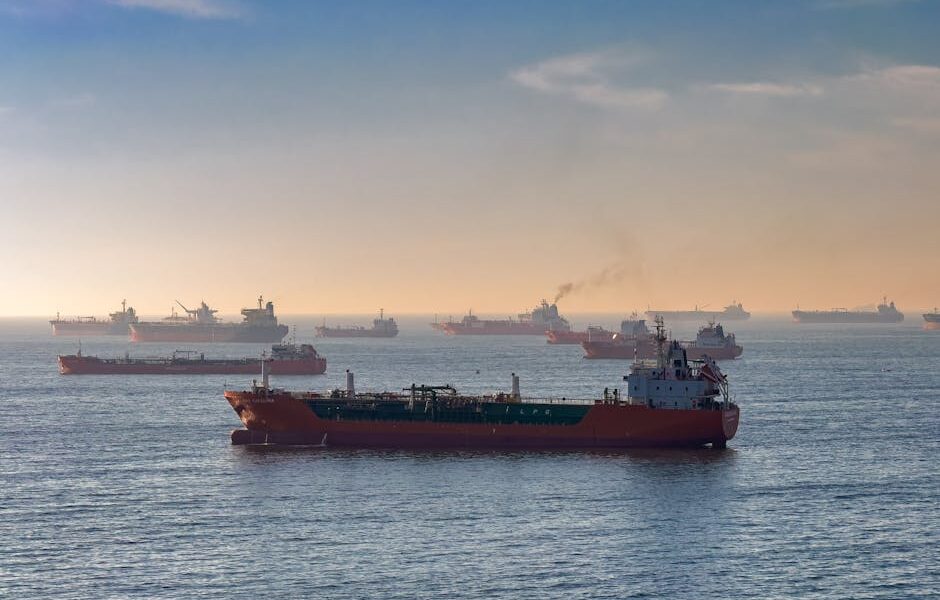
You might be asking yourself: why should I care about a negotiating table thousands of miles away? The answer is simple. One-fifth of the world’s liquefied natural gas and oil passes through the Strait of Hormuz. When that strait gets mined or blockaded, energy prices spike everywhere—at the gas pump, on your heating bill, in the cost of nearly everything you buy that requires transport. A return to war would not only cause a humanitarian catastrophe in the region, it would also send shockwaves through the global economy.
But here is the thing that often gets lost in the daily drama of ‘is there a deal or isn’t there?’ This is not just about a piece of paper. It is about a fundamental shift in the power dynamics of the Middle East. The United States has spent decades trying to contain Iran. For Iran, this negotiation is about ending its pariah status and getting its economy back on track. Neither side enters this room trusting the other. They enter because their options are worse.
A Missing Voice: The Regional Perspective
The original reporting focused heavily on the American and Iranian positions. But there is a third set of players whose interests are huge, and who have been largely left out of the frame: America’s Gulf allies. Saudi Arabia, the United Arab Emirates, and others have already made peace with Iran in recent years. They have grown weary of being caught in the middle of a U.S.-Iran proxy war that destabilizes their own economies and borders. There is quiet, but mounting pressure from these states for Washington to reach a deal—not because they love the Iranian regime, but because they need stability to pursue their own ambitious economic visions, like Saudi Vision 2030.
If the United States ultimately walks away from these talks or fails to deliver on a deal, it risks alienating partners who are increasingly questioning the reliability of American leadership. That is a longer-term cost that doesn’t show up in any draft memo, but it may shape the Middle East for a generation.
The Hard Part Hasn’t Even Started
It is also worth remembering what comes after a possible ceasefire extension. The biggest issue—Iran’s stockpile of highly enriched uranium and its enrichment capacity—has only been deferred, not solved. The U.S. has long demanded that Iran stop producing enriched uranium and get rid of its existing stockpile. Trump has suggested that the U.S. could take possession of it, or it could be diluted either in place or in a third country. These are incredibly complex technical and verification problems. Even under the best of circumstances, they would take months or years to resolve.
As Treasury Secretary Scott Bessent wisely put it during a White House briefing: ‘It is always a mistake to get out ahead of the president.’ And when asked about reconstruction for Iran, he added, ‘We’ve got to get to the deal before we get to the other side.’
That is the most honest statement to come out of this entire episode. We are still waiting to see if there is a real deal at all, or just a very dramatic show of positioning. For now, the world holds its breath, watching two old rivals circle each other in a room that may or may not contain a final accord. For more on the high-stakes waiting game, see Trump’s deal or no deal dilemma with Iran. For background on regional tensions, visit Oman Caught in the Crossfire. For authoritative analysis on nuclear negotiations, check the Council on Foreign Relations and IAEA Iran Focus.